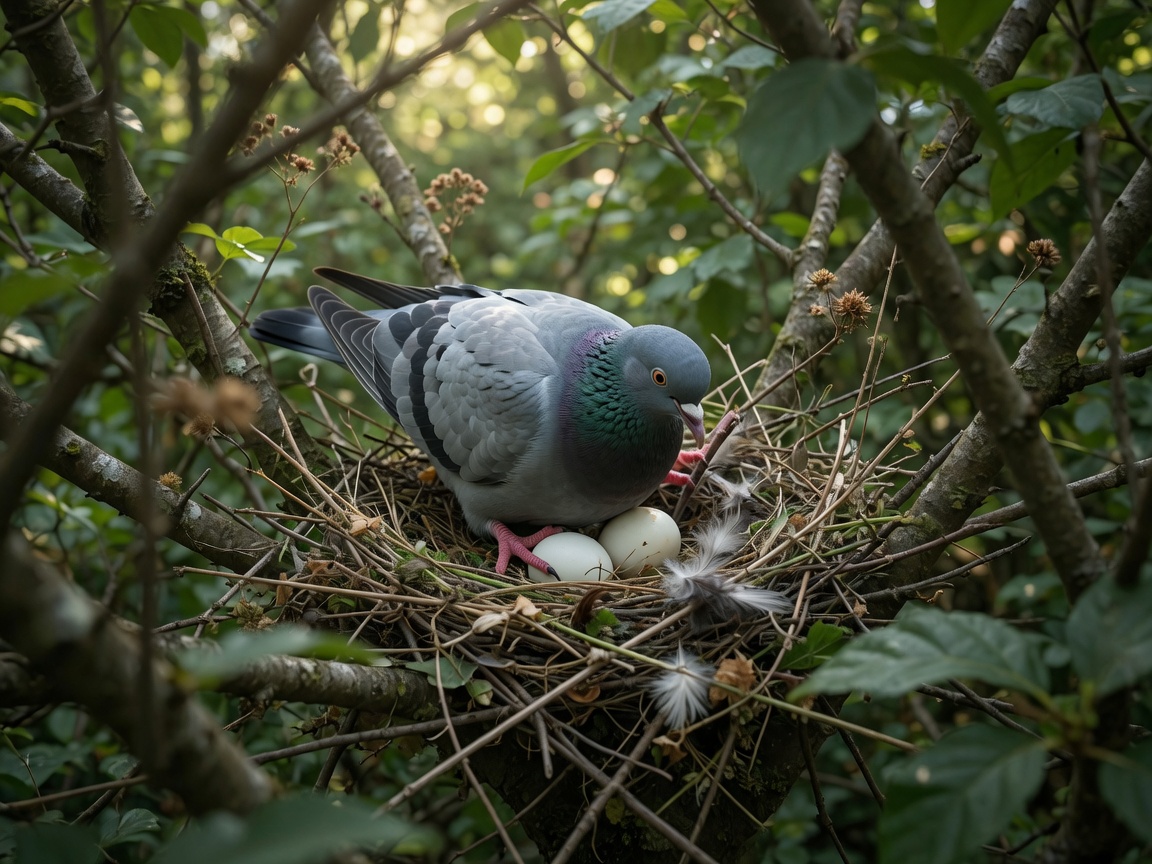
When felling or pruning trees we look not only at safety and the garden, but also at nature. Active nests or protected species must not simply be disturbed or destroyed. That is careful work – and the law.
Note: general information only, not legal advice. When in doubt: ask the municipality, Omgevingsloket or an ecologist.
What is the “breeding season”?
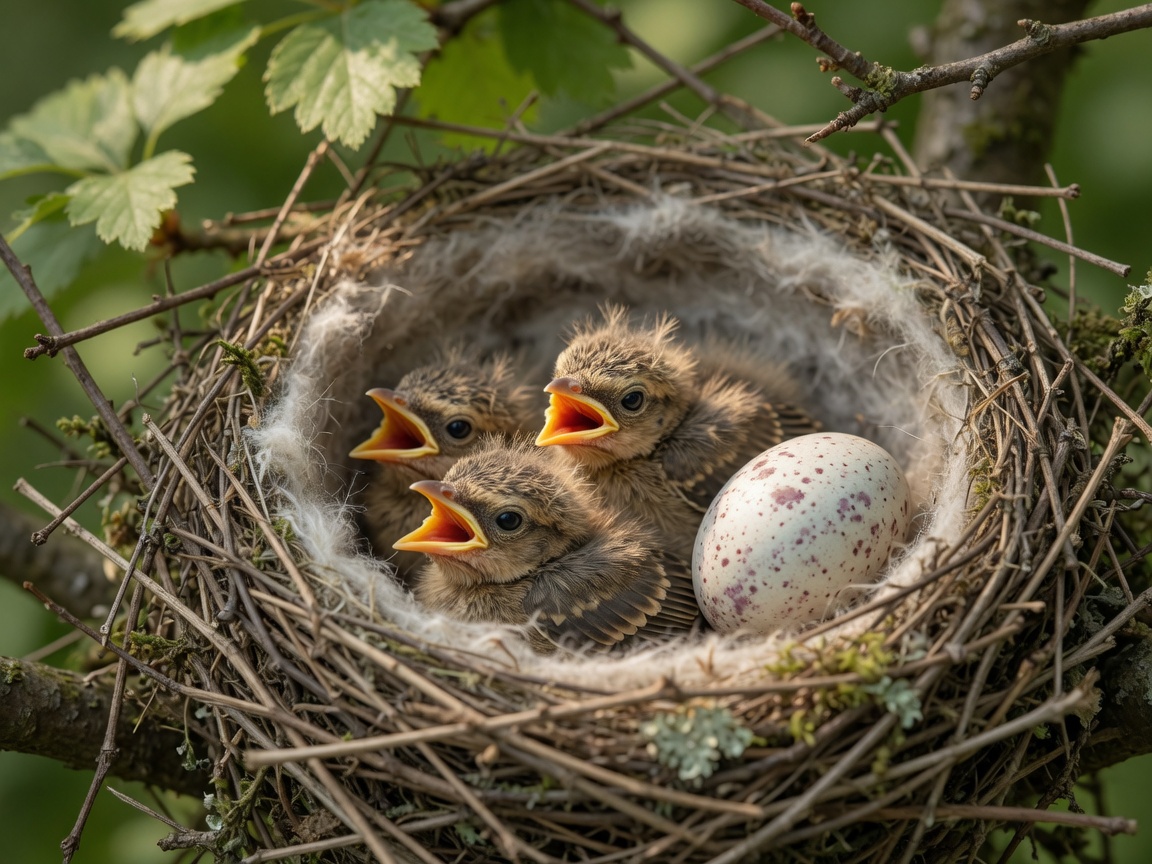
In practice people often speak of a breeding season from about mid-March to mid-July. That is a rule of thumb, not a hard national ban on a calendar. What counts is whether birds are actively breeding or whether nests are protected year-round.
- Breeding birds and nests in use: do not disturb
- Some nests (e.g. certain birds of prey) can be protected year-round
- Outside “the season” birds may still breed – inspection remains needed
Omgevingswet and nature protection

Protection of species and nests falls under Dutch nature rules (formerly Flora and Fauna Act / Nature Conservation Act; partly under the Omgevingswet and related regulations). In short: you may not intentionally kill, damage or disturb protected animals and their nests or breeding sites without the right permission.
More background:
- Government – Omgevingswet
- Omgevingsloket – check if a permit or notification applies at your location
What does this mean for felling and pruning?
- Before the job: look for nests, cavities or clear breeding behaviour
- During the job: stop and reassess if breeding activity appears
- Dangerous trees: sometimes quick action is needed for safety; careful handling and the right steps still apply
- Felling permit: separate from breeding rules – also check if you need an environmental permit → tree felling permit
How we handle it
At quote stage and on site we watch for visible nests and the condition of the tree. If we see active breeding or doubt, we discuss the safest and most responsible schedule with you. Better a week later than unnecessary damage to nests.